2 Jun 2026 · 5 min read
Sports Massage Benefits for Recovery & Performance
One of the most reliable tools for easing soreness and restoring readiness — and one persistent myth worth retiring.
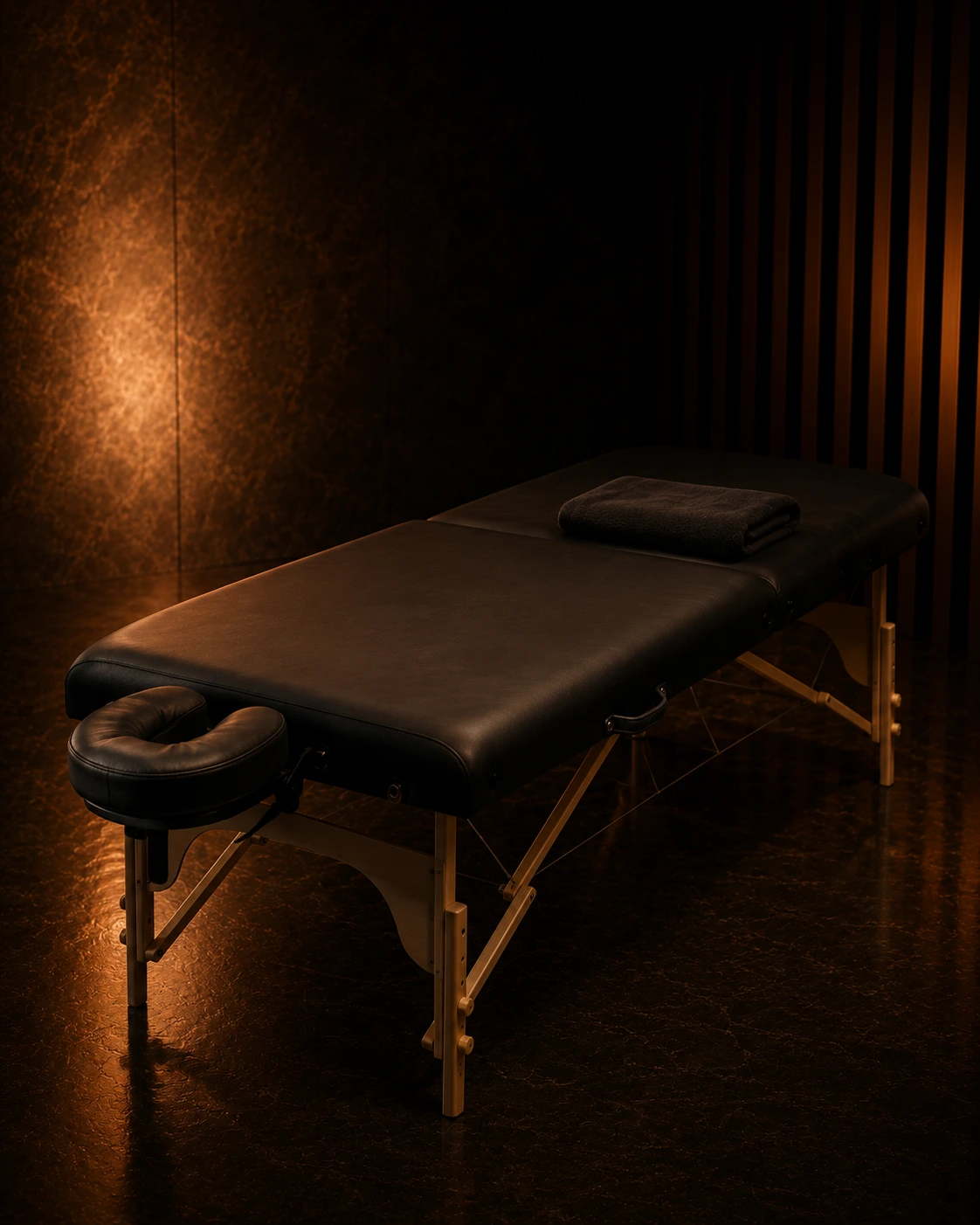
Short answer: sports massage is one of the most reliable tools for reducing muscle soreness, easing tension, and restoring a feeling of mobility and readiness. Its strength is recovery and how you feel moving; what it doesn’t do is meaningfully flush lactic acid or replace mobility work. Here’s what a qualified therapist actually delivers.
What is sports massage?
Sports massage is therapeutic soft-tissue work tailored to active bodies — applying pressure, friction, and movement to muscle and connective tissue to ease tension, improve range of motion, and support recovery between training. At Botthms it’s a 45-minute session delivered by a qualified massage therapist, not a generic spa rub-down.
What are the benefits of sports massage?
- —Reduced muscle soreness (DOMS). This is the best-supported benefit — massage in the hours-to-days after hard training reliably lowers perceived soreness.
- —Improved range of motion and tension relief. Soft-tissue work eases the stiffness that limits how freely you move.
- —A genuine parasympathetic down-shift. Massage lowers the stress response and supports the rest-and-recover state — part of why it feels so good and aids sleep.
- —Injury-prevention support as part of a broader programme — by catching tight, overloaded tissue before it becomes a problem.
A myth worth retiring: massage does not meaningfully push lactic acid out of your muscles — lactate clears on its own within an hour or two of stopping. The real mechanisms are reduced soreness signalling, tension relief, and nervous-system relaxation. The effect is real; the old explanation is wrong.
Sports massage vs deep tissue — what’s the difference?
Deep tissue massage is defined by depth — sustained, heavy pressure into the deeper muscle layers, usually to address chronic tightness. Sports massage is defined by purpose — it’s goal-led around your training and may use deep work, lighter flushing strokes, or movement, depending on whether you’re pre-event, post-event, or in a maintenance block.
So sports massage can include deep-tissue techniques, but it’s chosen for what your training needs that week, not just for how hard the therapist presses.
How often should you get a sports massage?
- —High volume or in-season: every 1–2 weeks helps you stay on top of accumulating tension.
- —General training: every 3–4 weeks as maintenance.
- —Around a key event: a lighter flushing session after, and avoid a brand-new deep session in the final 48 hours before competition.
When not to book a massage
If you have a specific, persistent pain, a suspected injury, or a problem that keeps coming back, you likely need assessment and treatment, not just massage. That’s a job for our physiotherapist, who can diagnose the cause rather than soothe the symptom.
How to use it at Botthms
Sports massage stands alone as a 45-minute session, and pairs well after heat — the sauna warms tissue, making the massage that follows more comfortable.
Book a sports massage in Randburg. 45 minutes with a qualified therapist, walk-in or member.
Frequently asked
Does sports massage actually help recovery? Yes — reducing muscle soreness and tension is its best-supported effect. It also down-shifts the nervous system, which supports rest and sleep.
Does massage remove lactic acid? No — that’s a myth. Lactate clears on its own within an hour or two. Massage works by reducing soreness signalling and tension, not by flushing acid.
Sports massage or deep tissue — which should I book? Sports massage, if your goal is training recovery — it’s tailored to your load and can include deep-tissue techniques where needed.
How soon before an event should I get one? A light flushing massage after training is fine anytime. Avoid a new, intense deep-tissue session in the 48 hours before competition.
Should I drink water afterwards? Yes, and expect to feel a little tender for a day after deeper work — that’s normal.
Written by the Botthms team.
Try it at the hub
Sports Massage
Tissue work that moves the needle.