Hyperbaric Chamber
More oxygen. At pressure. Where it matters.
60 minutes per session. A protocol of 5–10 sessions is recommended for therapeutic effect.
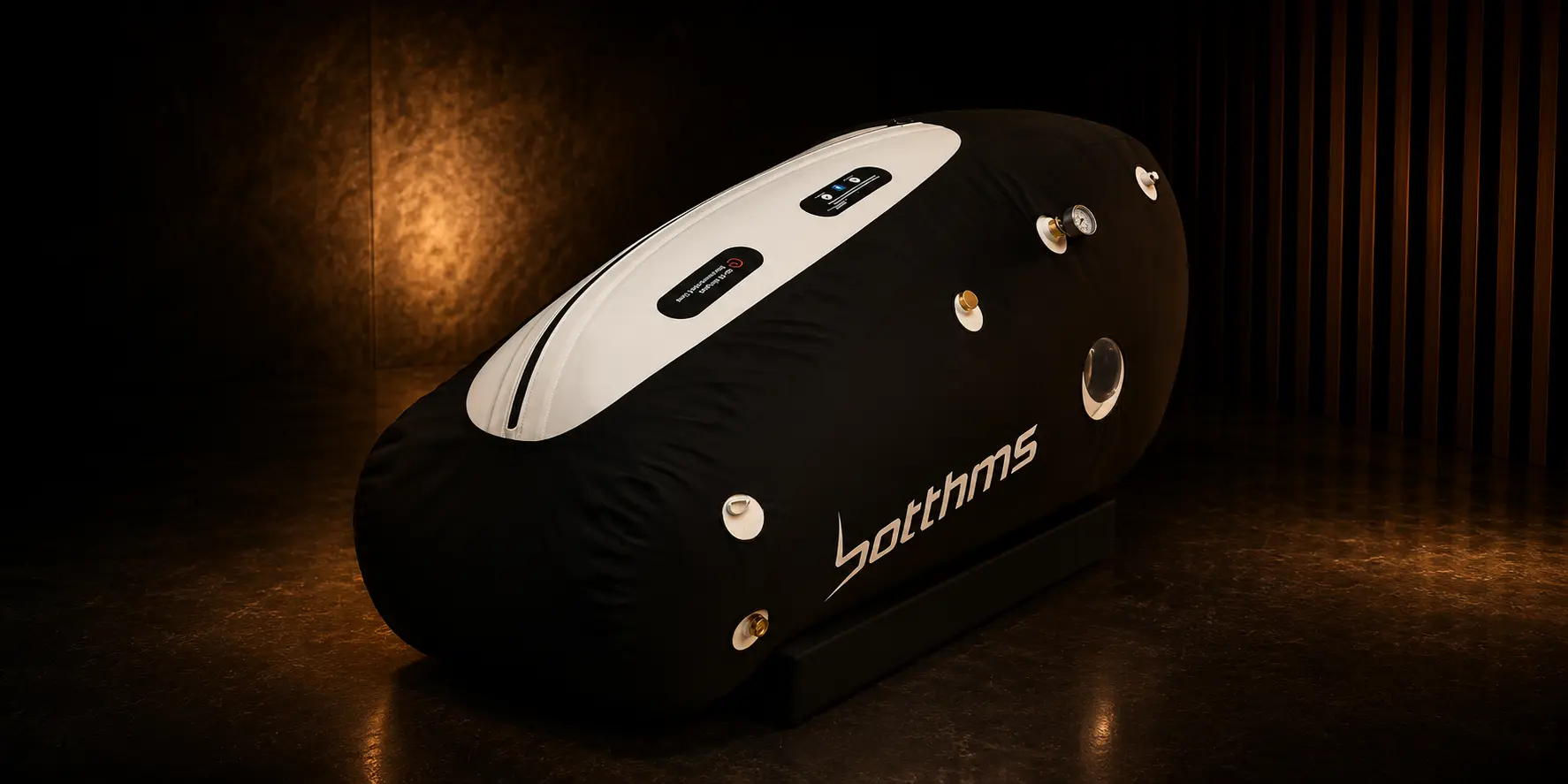 Pressure
Pressurised oxygen reaches tissue that red blood cells cannot access — dissolving into plasma to saturate ischaemic zones, reduce inflammation and stimulate the biological signals that govern repair.
More oxygen. At pressure. Where it matters.
- —Hyperoxygenates plasma to reach ischaemic tissue
- —Reduces systemic inflammation markers
- —Stimulates angiogenesis — new capillary formation
- —Supports neurological recovery and cognitive clarity
- —Accelerates soft tissue healing post-injury
At 1.3–1.5 ATA, oxygen dissolves directly into plasma (Henry's Law), reaching tissue that haemoglobin cannot access due to microvasculature compromise. This drives angiogenesis and upregulates growth factors including VEGF.
Post-injury recovery
Soft tissue injuries, post-surgical rehabilitation, and stress fractures — hyperbaric oxygen accelerates the cellular repair cycle where blood flow is compromised.
Serious athletes
Altitude training creates hypoxic adaptation. HBOT drives the opposite — hyperoxygenation — creating a distinct, complementary stimulus for recovery and performance.
Neurological and cognitive support
Post-concussion protocols, TBI recovery, and cognitive fatigue all respond to the anti-inflammatory and angiogenic effects of pressurised oxygen.
Hyperbaric oxygen therapy is contraindicated for untreated pneumothorax, certain ear and sinus conditions, and some medications including bleomycin and cisplatin. All first-time clients complete a pre-session medical screening. Existing conditions must be declared at booking.
Check availability
and book online.
From the journal
Hyperbaric Oxygen Therapy: Benefits & Honest Limits
For specific medical conditions it’s established. For general recovery, the mild HBOT most studios offer is promising but still emerging — we’ll tell you exactly where that line is.