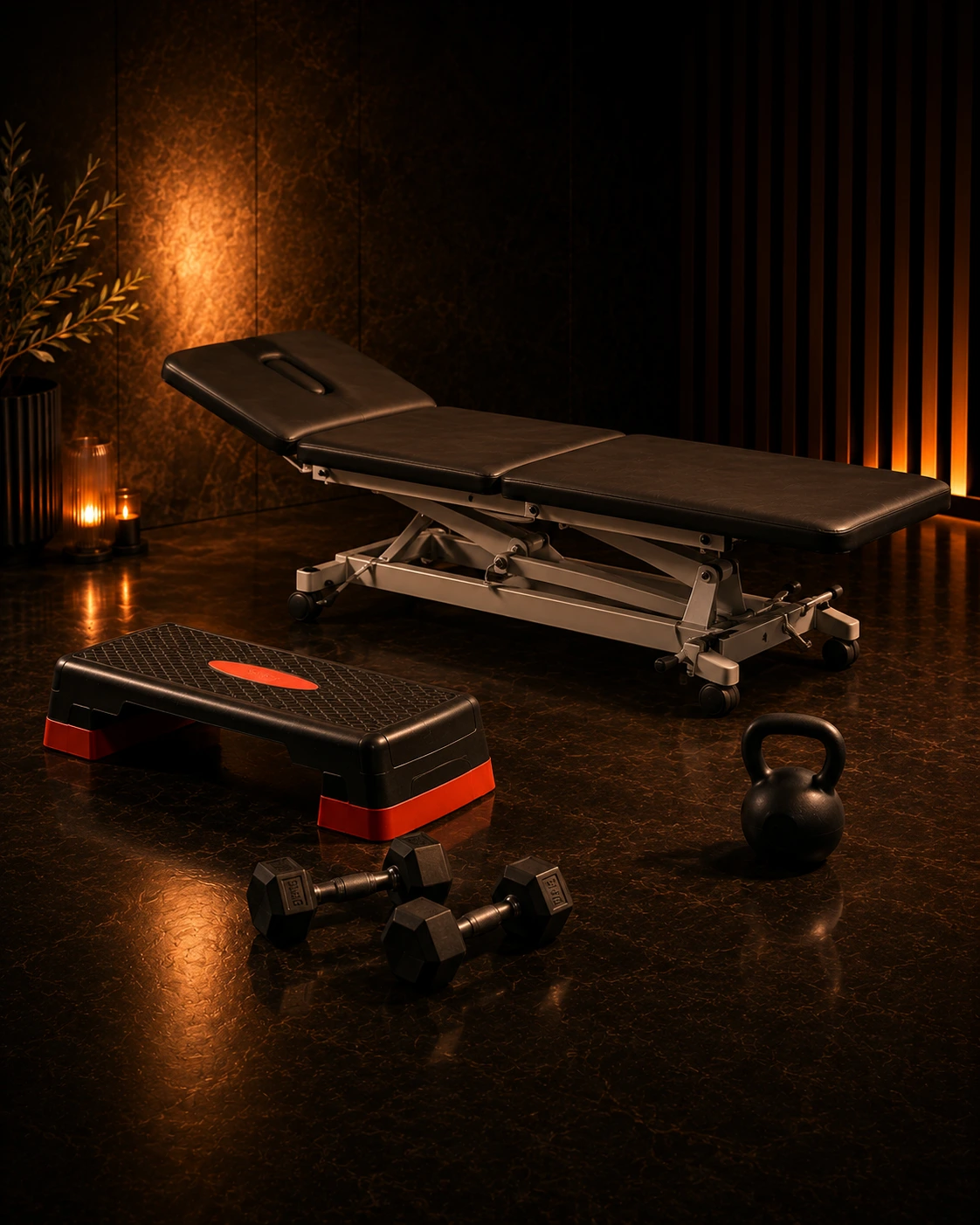
Fitness Assessment
Where your conditioning actually sits, scored against your age.
A 20-minute slot. Wear something you can move in.
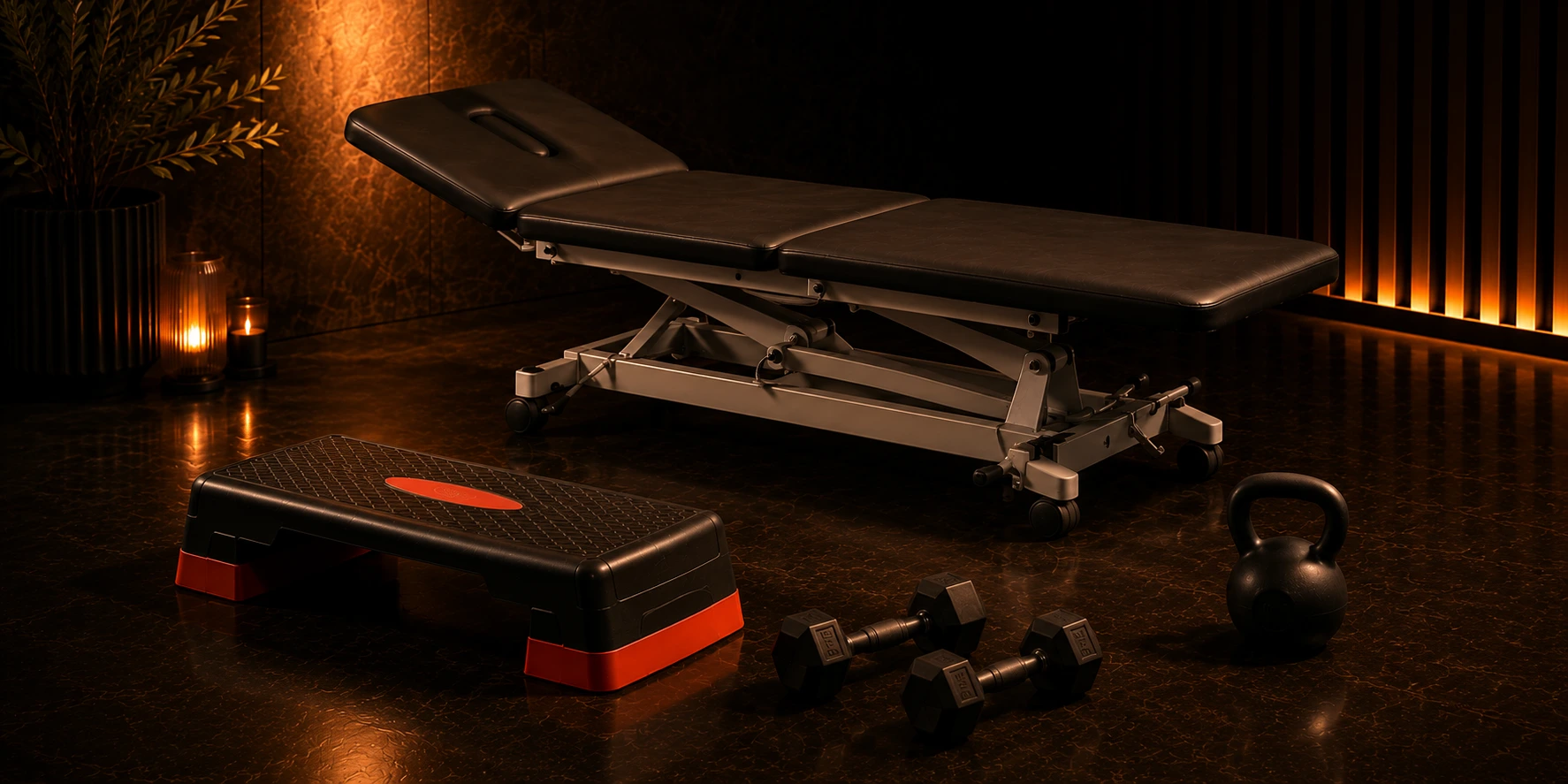 Assessment
A movement screen, strength and endurance benchmarks and an estimate of your cardiorespiratory fitness — scored against your age group so the number means something, with the one or two things worth training next.
Where your conditioning actually sits, scored against your age.
- —Movement screen — where you are restricted or compensating
- —Strength and endurance benchmarks
- —Estimated cardiorespiratory fitness
- —Scored against your age group, not an abstract ideal
- —A clear next priority instead of a list of everything
Age-group norms are what make a fitness score useful. A number on its own tells you little; the same number placed against your peers tells you whether to hold, push, or address something specific.
Returning to training
Find out what your body is currently ready for before you write the programme, rather than after the first injury.
Training without a baseline
Consistency is easier when you can see the number move. This gives you the starting point.
Something keeps niggling
A movement screen often finds the restriction behind a recurring complaint. If it needs more, physio is in the same building.
Check availability
and book online.